Lawn Care in Dagenham: Practical, Year-Round Turf Care for Healthy, Attractive Gardens
When people think about improving the look and feel of a home, the lawn is often one of the first things they notice. In a busy area like Dagenham, where gardens vary from compact urban plots to larger family spaces, lawn care in Dagenham plays a major role in keeping outdoor areas tidy, usable, and visually appealing. A healthy lawn can transform a front garden, create a welcoming back garden, and add value to a property without needing a complete landscape redesign.
Good lawn care in Dagenham is about more than simply cutting the grass. It involves understanding soil condition, drainage, seasonal growth patterns, shade levels, weed pressure, and the challenges caused by local weather. With the right approach, homeowners can enjoy a greener, denser, and more resilient lawn throughout the year.
This article explores the main aspects of lawn maintenance in the local area, from mowing and feeding to moss control, aeration, and recovery after dry spells or heavy rain. Whether you are maintaining a small lawn or looking after a larger garden, the right routines can make a noticeable difference.
Why Lawn Care Matters in Dagenham
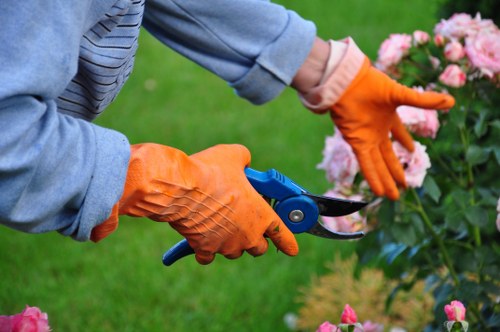
Dagenham lawns are exposed to a mix of conditions that can affect growth and appearance. Some gardens receive plenty of sun, while others are shaded by fences, sheds, trees, or nearby buildings. Local soil can also be compacted, especially in older gardens or areas with regular foot traffic. These factors can quickly lead to patchy, dry, mossy, or uneven grass if routine maintenance is neglected.
Lawn care in Dagenham helps prevent these issues by keeping grass strong enough to compete with weeds and recover from wear. A well-maintained lawn also improves drainage, supports healthier root growth, and creates a softer, more comfortable surface for children, pets, and outdoor relaxation.
In addition, regular lawn maintenance can be more cost-effective than allowing problems to build up. A neglected lawn may need extensive repair, reseeding, or turf replacement, whereas consistent care often keeps the grass in far better condition with less effort over time.
Understanding Local Lawn Conditions

Before choosing a lawn care routine, it helps to understand the main factors that affect grass in Dagenham. The local environment can influence how often a lawn needs attention and what type of treatment will deliver the best results.
Common local factors include:
- Compacted soil caused by frequent use, parked vehicles, or building work
- Shaded areas that slow growth and encourage moss
- Poor drainage in low-lying sections of the garden
- Dry patches during warm spells or prolonged sunshine
- Heavy clay or mixed soil that can retain water
- Weed pressure from nearby borders, paving, and untreated edges
These conditions do not mean a lawn cannot look excellent. They simply mean that lawn care in Dagenham should be tailored to the garden rather than based on a one-size-fits-all routine. The best results usually come from combining mowing, feeding, aeration, and seasonal treatment in a way that suits the specific lawn.
Essential Lawn Care Services for Dagenham Homes
Effective grass maintenance usually involves several connected tasks. Each one supports the others, helping the lawn stay healthier, thicker, and more resilient.
Mowing for Healthy Growth
Mowing is the most visible part of lawn care in Dagenham, but it is also one of the most important. Cutting too short can weaken grass and expose the soil, while letting it grow too long can create an uneven, untidy appearance. The ideal mowing height depends on the season, grass type, and lawn condition.
Useful mowing habits include:
- Keeping mower blades sharp for a cleaner cut
- Removing no more than one-third of the grass height at a time
- Mowing more frequently during active growing periods
- Changing direction occasionally to reduce ruts and compaction
For most gardens, regular mowing encourages a denser sward and helps reduce weed spread. A consistent mowing schedule is especially valuable in spring and summer when growth is faster.
Feeding and Fertilising the Lawn

Grass, like any living plant, benefits from the right nutrients. Fertilising is an important part of lawn care in Dagenham because it strengthens roots, improves colour, and supports recovery after stress. A balanced feed can help lawns respond better to wear, drought, and seasonal changes.
Different fertilisers are used at different times of year. A spring feed encourages growth and greening, while an autumn treatment can strengthen roots and improve resilience before colder weather arrives. Choosing the right product and applying it correctly helps avoid overfeeding, which can scorch the lawn or encourage excessive soft growth.
For homeowners who want lasting results, feeding should be part of a wider care plan rather than a stand-alone fix. Fertiliser works best when combined with mowing, watering, and soil improvement. In other words, a nutrient-rich lawn is usually the result of steady, balanced care rather than a single treatment.
Weed and Moss Control
Weeds and moss are common problems in many Dagenham gardens. They tend to appear where the grass is weak, the soil is compacted, or the lawn is thin. Addressing the underlying cause is just as important as removing the visible problem.
Typical lawn weeds include:
- Dandelions
- Clover
- Plantain
- Buttercups
- Speedwell
Moss often thrives in damp, shaded, or poorly drained areas. Rather than simply treating the moss, it is usually better to improve conditions by aerating the soil, reducing shade where possible, and adjusting mowing and watering habits. Healthy grass naturally resists moss and weeds more effectively, which is why strong routine maintenance is so valuable.
Seasonal Lawn Care in Dagenham
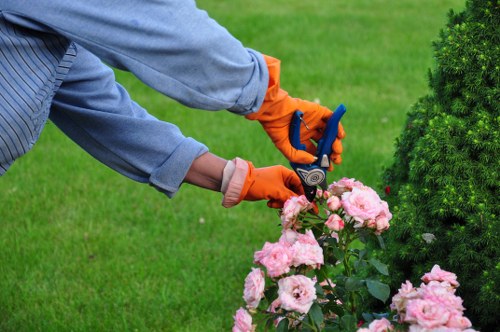
Lawn care in Dagenham changes with the seasons. Grass grows differently in spring, summer, autumn, and winter, so the maintenance plan should change too. Following the natural cycle of the lawn helps keep it in better shape all year.
Spring Lawn Care
Spring is the time when lawns start to recover from winter and grow more actively. This is an ideal season for raking out dead material, checking for damage, feeding the lawn, and increasing mowing frequency as needed. It is also a good time to overseed thin patches before summer arrives.
Summer Lawn Care
Summer brings faster growth, but also heat stress and dry conditions. During this period, mowing height may need to be raised slightly to protect the grass from scorching. Watering should be done deeply and less frequently rather than with shallow, frequent sprinkling. This encourages deeper roots and stronger drought tolerance.
It is also sensible to limit heavy foot traffic on very dry lawns, especially in family gardens where grass may already be under pressure.
Autumn Lawn Care
Autumn is one of the most important times for lawn care in Dagenham. The weather is often cooler and wetter, making it ideal for renovation work. This is when aeration, overseeding, scarification, and autumn feeding can make a big difference to the lawn’s long-term condition.
Aeration helps relieve compaction and improves the movement of air, water, and nutrients through the soil. Scarification removes thatch, dead grass, and moss, helping the lawn breathe and recover. Overseeding fills in bare areas and creates a thicker surface that is more resistant to weeds.
Autumn lawn priorities often include:
- Reducing thatch build-up
- Improving soil structure
- Strengthening root systems
- Preparing the grass for colder weather
Winter Lawn Care

Winter is generally a quieter period for lawn growth, but the grass still needs protection. Avoid walking on frozen or waterlogged lawns where possible, as this can damage the blades and compact the soil further. Leaves should be cleared regularly because a thick layer of debris can block light and trap moisture, leading to disease or bare patches.
Winter is also a useful time to assess the lawn’s overall condition and plan any spring improvements. If the grass suffered from patchiness, moss, or uneven growth during the year, those issues can be addressed as part of a targeted seasonal approach in the months ahead.
By treating winter as a rest-and-review period, homeowners can set the lawn up for a stronger start in spring.
Improving Lawn Health Through Soil Care
Many people focus on the grass itself, but the real foundation of a healthy lawn is the soil beneath it. Good soil management is a major part of professional lawn care in Dagenham because the turf can only grow as well as the conditions below it allow.
Compacted soil restricts root development and slows drainage. Poor soil structure can leave water sitting on the surface or prevent nutrients from reaching the root zone. Over time, this leads to weak grass, increased moss, and patchy coverage.
Improving soil health can involve:
- Aeration to open up the ground
- Top dressing to improve surface quality
- Organic matter to support soil life
- Regular scarification to reduce thatch
Where gardens have heavy clay or compacted ground, these improvements can make a dramatic difference. Better soil means better grass, and better grass means less ongoing maintenance.
Dealing with Bare Patches and Thin Grass
Bare patches are common after pet damage, intense foot traffic, fungal issues, or prolonged dry weather. Thin grass can also develop in shaded corners, around play areas, or in sections that receive uneven watering. Repairing these areas promptly is one of the simplest ways to keep the whole lawn looking good.
Overseeding is often the most effective solution for thin patches. Fresh seed can be applied after scarification or light raking so it makes better contact with the soil. Keeping the area lightly watered while the new seed germinates helps create stronger, fuller coverage.
If the damage is more severe, the affected section may need additional soil preparation before reseeding. In some cases, top dressing and gentle levelling are also useful to restore a smooth, attractive finish. The sooner patchy areas are addressed, the easier they are to recover.
Watering Wisely for Better Results
Watering is a key element of lawn care in Dagenham, particularly during dry spells. However, many lawns suffer not from lack of water, but from the wrong watering method. Light, frequent watering can encourage shallow roots, making the grass more vulnerable to heat and drought. Deeper watering, applied less often, usually produces a stronger and more resilient lawn.
Early morning is often the best time to water because less moisture is lost to evaporation. It also gives the grass time to dry during the day, which can help reduce the risk of fungal issues. Lawns in partial shade may need less water than those in full sun, so it is helpful to observe how quickly each section dries out.
For many gardens, a smart watering routine is the difference between a lawn that merely survives and one that thrives. If rainfall is sufficient, additional watering may not be necessary at all.
Benefits of Professional Lawn Maintenance
While some homeowners prefer to handle lawn upkeep themselves, professional help can be valuable when time is limited or the lawn needs more than basic mowing. Local expertise matters because lawn care in Dagenham should reflect the area’s soil conditions, weather patterns, and typical garden layouts.
A professional approach often includes a structured plan rather than one-off treatments. This can save time, improve consistency, and produce better long-term results. It also helps identify problems early, before they become expensive or difficult to fix.
Professional lawn maintenance may include:
- Regular mowing and edging
- Seasonal feeding
- Moss and weed treatment
- Aeration and scarification
- Overseeding and patch repair
- Advice on watering and maintenance
For busy households, landlords, or anyone who wants a neat, reliable finish, this can be a practical and time-saving solution.
Creating a Lawn Care Routine That Works
The most effective lawn care in Dagenham is consistent and realistic. A lawn does not need to be treated every day, but it does benefit from a dependable routine. The key is to match tasks to the season and the lawn’s actual condition.
A balanced routine might include weekly mowing in peak growing periods, monthly checks for weeds or dry patches, seasonal feeding, and annual or biannual aeration. Homeowners with shaded or heavily used lawns may need to give those areas extra attention, while more established lawns may need less frequent intervention.
A simple year-round lawn plan may include:
- Spring: clear debris, feed, and repair bare patches
- Summer: mow correctly and water wisely
- Autumn: scarify, aerate, overseed, and strengthen roots
- Winter: protect the lawn and plan improvements
By following a schedule like this, it becomes much easier to maintain a lawn that looks good and performs well in everyday use.
Why Local Experience Makes a Difference
Local knowledge is a major advantage when it comes to lawn care in Dagenham. Not every lawn responds in the same way, and the differences can be significant from one street to another. Factors such as sun exposure, drainage, and soil type all influence what the lawn needs most.
For example, a shaded garden with thick moss will need a different approach from a sun-facing lawn that dries out quickly in summer. A family lawn used for regular play will also need a different maintenance balance than a decorative front garden. Understanding these variations helps avoid wasted effort and creates better results faster.
In short, the best lawn care is practical, tailored, and consistent. That is what turns an ordinary patch of grass into a healthy, attractive, and enjoyable part of the home.
Frequently Overlooked Lawn Care Details
Small details often make a big difference. Homeowners who want the best results from lawn care in Dagenham should pay attention to the finishing touches that support overall lawn health.
Edge Trimming
Clean edges help a lawn look sharper and more cared for. Straggly grass around paths, borders, and patios can make even a healthy lawn appear untidy.
Grass Clippings
Leaving a light layer of clippings can sometimes return nutrients to the soil, but thick clumps should be removed to avoid smothering the grass.
Blade Maintenance
Sharp mower blades make cleaner cuts and reduce stress on the lawn. Dull blades can tear the grass, leaving it more vulnerable to disease and browning.
Regular Observation
Spotting changes early is one of the best ways to maintain lawn quality. Yellowing, thinning, or moss growth often signals a need for action.
When to Take Action for Better Lawn Results
If your lawn is already showing signs of stress, it is best not to wait too long. Patchy growth, persistent weeds, standing water, and moss are all signs that the lawn may need more focused attention. Acting early can prevent minor problems from becoming major repair jobs.
Homeowners often notice improvement quickly once the right maintenance is in place. Even a tired-looking lawn can recover with the right balance of mowing, feeding, aeration, and moisture management. The key is to be consistent and patient, especially if the soil has been neglected for some time.
For those looking to improve their outdoor space, now is a good time to take the next step. Contact us today to discuss your lawn needs, or book your service now to get started with reliable lawn care in Dagenham that supports lasting results.