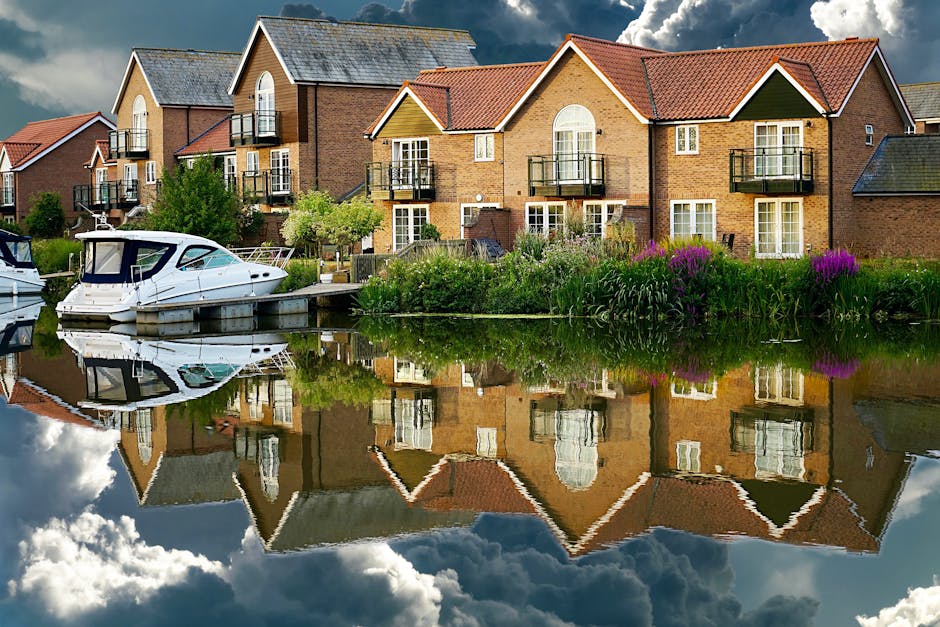
Dagenham Dock garden clearance advice for riverside homes

Riverside gardens have their own rhythm. In Dagenham Dock, that rhythm can mean salt-laced breezes, soggy corners after rain, fast-growing weeds, and the kind of debris that seems to arrive overnight on a windy afternoon. If you own or manage a riverside home, Dagenham Dock garden clearance advice for riverside homes is not just about making the space look neat. It is about protecting soil structure, keeping drains and paths usable, reducing slip hazards, and setting the garden up so it can recover quickly after bad weather.
This guide walks through what matters most, how clearance works in practice, and where homeowners often get caught out. You will also find a comparison table, a checklist, and a grounded example of how a sensible clearance plan can turn an overgrown riverside plot into something manageable again. To be fair, riverside gardens can look a bit defeated before they look beautiful. That is normal. The trick is clearing them in the right order.
Why Dagenham Dock garden clearance advice for riverside homes Matters
Clearance in a riverside setting is about more than tidying up a border or filling a few bags. Gardens near the Thames corridor tend to face a mix of exposure and moisture that changes how plant waste, soil, and hard landscaping behave. A patch of overgrown ivy may trap damp. A pile of leaf litter can hold water and breed moss. A neglected hedge might act like a sail in strong wind and start pulling on weak supports. The result is often a garden that feels harder to use each month.
There is also a simple safety side to this. Slippery paving, blocked access routes, hidden broken pots, and unsecured loose material all become more irritating when the weather turns. If you have children, pets, older relatives, or a shared access path, the stakes are even higher. One homeowner described their side return as "fine in summer and impossible by November". That sounds dramatic, but it is a common riverside story.
Good clearance also protects the long-term health of the garden. If you cut back or remove growth without thinking about drainage, wind exposure, and plant recovery, you can create a bare, exposed space that degrades quickly. Better to clear in layers, not just in one heroic burst. And yes, the heroic burst is tempting.
If your garden has become a mess after a stretch of bad weather or a long period without maintenance, practical steps to start a neglected garden makeover can help you think about the first phase before you get carried away with planting decisions.
How Dagenham Dock garden clearance advice for riverside homes Works
At its simplest, garden clearance means removing unwanted growth and waste so the space can be used, maintained, or redesigned more easily. In riverside homes, though, the work usually follows a more careful sequence because moisture, wind exposure, and access can change what should be tackled first.
A sensible clearance process usually starts with a visual survey. You identify what is just untidy, what is genuinely invasive, and what might be valuable enough to keep. Then you work from the outside in: access points, paths, drains, edges, fences, and only then the deeper planting areas. That order matters because you want a safe route in and out while the work is happening. Nobody enjoys dragging brambles through a narrow wet path twice.
Typical clearance tasks can include:
- cutting back overgrown shrubs, climbers, and hedge lines
- removing dead annuals, fallen leaves, and windblown debris
- lifting weeds from beds, cracks, and fence lines
- pruning damaged stems and clearing crossing growth
- checking for pooling water or blocked drainage channels
- separating reusable green waste from general rubbish
There is a practical rhythm to it. You remove what is unsafe or dead, then reduce what is overcrowded, then decide what the garden needs next. For some homes, the next step is simple upkeep through garden maintenance. For others, the project goes a bit deeper and may include turf care, hedge shaping, or a more structural reset.
Key Benefits and Practical Advantages
The obvious benefit is a cleaner, calmer-looking garden. But that is really just the surface. Riverside clearance done properly gives you a chain reaction of small wins that make the garden easier to live with.
- Improved drainage visibility: you can actually see where water is collecting instead of guessing under thick growth.
- Less wind damage: thin, damaged, or badly anchored plants are easier to spot and deal with before a storm.
- Reduced pests and disease pressure: damp, overcrowded areas are where problems tend to hide.
- Safer access: paths, steps, and side entrances become easier to use in wet weather.
- Better light and airflow: cleared space helps healthier regrowth and makes future planting decisions clearer.
- More accurate budgeting: once the clutter is gone, you can see what actually needs repair, replacement, or redesign.
There is also a mental benefit that people sometimes underestimate. A messy garden can make a home feel permanently "unfinished". Clear it, and suddenly the place breathes. Sounds a bit dramatic, perhaps, but anyone who has stood at a back door looking out at waist-high nettles will know what I mean.
For homes where wind is a recurring issue, a follow-on read on innovative wind solutions for gardens can be useful after the clearance stage, especially if you need to rethink what should actually stay in the plot.
Who This Is For and When It Makes Sense
This advice is for homeowners, landlords, and managing agents dealing with riverside or near-riverside gardens in and around Dagenham Dock. It is especially relevant if your outdoor space is exposed, narrow, partially shaded, or regularly hit by drifting debris and weather change.
You may need a proper clearance if:
- the garden has been neglected for a season or more
- plants are leaning, tangled, or blocking movement
- water pools after rain and you cannot see why
- hedges or shrubs are encroaching on fences, walls, or paths
- you are planning repairs, planting, or landscaping work
- you need to sell, let, or prepare the property for new occupants
It also makes sense after storms, long wet spells, or a winter where the garden has simply been left to do what it likes. Nature is very efficient, annoyingly so. One week it looks dormant, and the next it has claimed half the patio.
If your clearance work is likely to include hedges, boundary growth, or tough woody stems, you may also want to think about hedge trimming in Dagenham as part of the longer-term plan rather than treating the garden as a one-off clean-up.
Step-by-Step Guidance
Here is a practical way to approach clearance in a riverside home without turning it into a chaotic weekend battle.
- Start with a walk-through. Check access, look for trip hazards, note any standing water, and spot anything that looks brittle, rotten, or unstable.
- Separate keep, cut, and remove. Be strict. If a plant is healthy and worth saving, protect it. If it is dead, diseased, or strangling something else, deal with it first.
- Clear the access lines. Paths, side gates, bin routes, and utility access should come before decorative areas. Practical first, pretty second.
- Remove loose waste in stages. Pile up cuttings in manageable loads so you are not dragging heavy, wet material across clean ground.
- Prune back with purpose. Do not just lop everything off. Reduce crossing branches, damaged shoots, and wind-catching growth, while keeping structure where possible.
- Check drainage and hard surfaces. Once the clutter is gone, inspect for blocked channels, moss, cracks, or shifting edging.
- Finish with a reset. Rake, sweep, level disturbed soil, and decide what will happen next: replanting, mulching, turf repair, or further clearance.
If you are unsure where to begin, start small. One border, one path, one corner. Progress builds quickly once the eye can actually see the space again.
For a more structured broader reset, a neglected garden makeover approach can help you sequence the work without wasting effort.
Expert Tips for Better Results
Here are the details that often separate a decent clearance job from one that really holds up in a riverside environment.
- Clear after a dry spell if possible. Wet waste is heavier, messier, and more likely to smear across paving.
- Watch the wind direction. On exposed plots, cut material can blow into places you have already cleaned. Annoying, but manageable if you plan around it.
- Keep a few strong plants as anchors. In windy spots, you do not want every protective layer removed at once. Some structure helps the garden settle.
- Use mulch thoughtfully. A light, well-placed layer can reduce splashback and weeds, but heavy mulch in a waterlogged zone is not your friend.
- Think in zones. The river-facing edge, the sheltered central area, and the access side may all need different treatment.
- Trim for airflow, not just shape. Especially with shrubs and hedges, a looser interior often performs better than a tight wall of foliage.
If privacy is part of the reason the garden feels overgrown, a useful next read is achieve privacy fast with these 9 hedges. It can help you decide what to keep after clearance, rather than replacing one problem with another.
And if you are trying to keep planting resilient through winter, cold-weather gardening advice is worth a look once the heavy work is done.
Common Mistakes to Avoid
Most clearance problems come from moving too fast, not from doing too little. That sounds odd, but it is true.
- Stripping everything at once: bare soil and bare beds can become more exposed to wind and washout.
- Ignoring drainage clues: if one area is always soggy, clearing alone will not solve the root cause.
- Leaving cuttings in damp piles: they break down into a slimy mess and attract pests.
- Using blunt or unsuitable tools: you end up tearing stems instead of cutting them cleanly.
- Forgetting boundary plants: hedges, climbers, and shrubs often look manageable until you check both sides of the fence.
- Clearing without a disposal plan: if the waste has nowhere to go, the whole job stalls halfway through.
One of the sneakiest errors is deciding the garden is "cleared" when the visible mess is gone but the underlying issue remains. For example, a neat-looking bed can still be packed with self-seeded weeds and tangled roots. It happens all the time.
For general control of persistent growth, weed control tactics can be a helpful companion to clearance work, especially where roots keep returning in paving joints and fence lines.
Tools, Resources and Recommendations
You do not need a van full of gear to clear a riverside garden, but the right tools make the work safer and less tiring. At minimum, you will usually want:
- strong gloves with a good grip
- secateurs and loppers for woody stems
- a pruning saw for thicker branches
- a rake and stiff broom
- heavy-duty bags or tubs for waste
- spade or border fork for lifted roots and compacted corners
- basic ties or supports for any plants you are keeping
It also helps to work from the right service pages if the garden needs more than clearance. For instance, if the job expands into turf recovery, lawn care is the logical next step. If the garden has become patchy or tired, lawn mowing can help with maintenance once the overgrowth is reduced. And if the wider plot needs redesign rather than just tidy-up work, landscaping may be more appropriate than endless patch repairs.
If your clearance is part of a larger outdoor refresh, the pages on patio cleaning, decking services, and fencing can also be useful, because riverside homes often need the hardscape and boundary elements looked at alongside the planting.
For reliable planning and pricing expectations, the site's pricing and quotes information is worth checking before you commit to a bigger project. And if you want to understand the people behind the service, the about us page is a sensible place to start.
Law, Compliance, Standards, or Best Practice
For most homeowners, garden clearance is straightforward, but it still pays to follow sensible UK best practice. Waste should be handled carefully, tools should be used safely, and any contractor should be able to explain how they manage their own responsibilities. If you are hiring help, ask about insurance, working methods, waste handling, and how they protect neighbouring property or shared access.
Near riverside homes, best practice also means being cautious about runoff, slippery surfaces, and temporary blockages. You do not want cut material washing into drains or creating a hazard on shared paths. If there are trees involved, large branches or dead limbs should be assessed carefully rather than taken down casually. That is where a service like tree surgery may be more appropriate than routine clearance.
For wider reassurance around contractor standards, a company's own health and safety policy, insurance and safety information, and terms and conditions can tell you a lot about how seriously they treat the work. It is a small step, but a useful one. The neatest garden in the street is not worth much if the job behind it was unsafe.
Where privacy, complaints handling, payments, or accessibility matter to you as a customer, it is also fair to review complaints procedure, payment and security, privacy policy, cookie policy, and accessibility statement. Not glamorous reading, granted, but it does build trust.
For a company working in this space, a clear modern slavery statement can also be part of good governance, and that matters more than people sometimes realise.
Options, Methods, or Comparison Table
Different clearance methods suit different riverside gardens. The best choice depends on how overgrown the site is, how much waste there is, and whether you are preparing for maintenance or a full redesign.
| Method | Best for | Strengths | Limitations |
|---|---|---|---|
| Light seasonal clearance | Small, tidy gardens with a few problem areas | Quick, low disruption, keeps structure intact | Won't solve serious neglect or drainage issues |
| Full garden clearance | Heavily overgrown or long-neglected plots | Resets the space, reveals hidden problems | Can leave the garden bare if follow-up is poor |
| Clearance plus maintenance plan | Homes that need ongoing control after the initial reset | More sustainable, easier to budget for | Requires consistency rather than one-off effort |
| Clearance plus redesign | Gardens that no longer work for the home | Improves use, privacy, and appearance together | Needs more planning and usually more time |
If your riverside garden is mostly manageable, do not overdo it. Sometimes a seasonal cut-back and a bit of garden maintenance will do the job nicely. If it is truly tangled, though, a more complete reset makes more sense. There is no prize for choosing the hardest route.
Case Study or Real-World Example
Here is a realistic example based on the kind of riverside home people often describe. A back garden near Dagenham Dock had a narrow path, a patchy lawn, and a rear border full of self-seeded growth. The owner had stopped using the space because the path stayed wet, the hedge leaned outward, and the fence line had become invisible under climbers and weeds.
The first job was not to replant anything. It was to make the garden readable again. The access route was cleared, the hedge was trimmed back carefully, and the wettest corner was left open to air rather than buried under fresh mulch. After that, the old debris was removed, the lawn was levelled where possible, and the owner could finally see which plants were worth saving.
The important part was the sequence. If they had started by buying new plants, those plants would have been dumped into a space that still had drainage and access problems. Instead, the clearance exposed the real issues. A few weeks later, after the garden had dried out and settled, the space was easier to maintain and much less stressful to use.
That is the real value of good clearance advice. Not just a tidier garden for Tuesday afternoon. A garden that is easier to live with in January, March, and after the next windy evening.
Practical Checklist
Use this checklist before, during, and after clearance work.
- Check access points, gates, and paths for hazards
- Identify any standing water or soggy zones
- Mark plants, shrubs, or trees you want to keep
- Remove dead, broken, or unsafe material first
- Cut back overgrowth from paths and edges before tackling the centre
- Separate green waste from general rubbish
- Inspect fences, patios, decking, and borders once growth is cleared
- Look for moss, cracks, or poor drainage under the debris
- Decide whether the next step is maintenance, repair, or redesign
- Plan follow-up care so the garden does not slip back within a month
Expert summary: the safest riverside clearance jobs are usually the ones that are done in phases. Clear access first, protect what you want to keep, remove waste in manageable loads, and only then decide whether the space needs repair or reinvention. That simple order prevents a lot of regret, honestly.
If you are ready to bring order back to a damp, windy, or cluttered outdoor space, take the next step and speak to a local team that understands riverside conditions and practical garden recovery.
Get a free quote today and see how much you can save.
Conclusion
Dagenham Dock riverside gardens ask for a little more judgement than a standard suburban plot. They deal with wind, moisture, debris, and the occasional stubborn patch of growth that seems to thrive on neglect. But once you clear them properly, they often come back with surprising character. Light changes, air moves better, paths become useful again, and the whole place feels more honest.
The key is not dramatic effort. It is clear priorities, steady work, and a sensible plan for what happens after the clutter is gone. Clear it well, and you are not just tidying a garden. You are making the home easier to enjoy, season after season.
And that, in the end, is what good riverside garden clearance is really for.
Frequently Asked Questions
What is the best first step for a riverside garden clearance in Dagenham Dock?
Start with a walk-through and identify access hazards, soggy ground, dead growth, and anything blocking paths or drains. That gives you a safe sequence for the rest of the job.
Should I clear everything back to bare soil?
Usually not. Bare soil in a windy, exposed riverside setting can dry out, erode, or wash away too easily. Keep some structure where it is healthy and useful.
How often should a riverside home garden be cleared?
It depends on the level of growth, but many gardens benefit from seasonal clearance and lighter maintenance in between. Exposed, fast-growing plots may need more frequent attention.
What makes riverside garden clearance different from standard garden clearance?
Moisture, wind exposure, and drainage issues change the priorities. You often need to think about access, safety, and recovery after clearance, not just appearance.
Can garden clearance help with drainage problems?
It can help reveal the problem and reduce blockages, but it will not fix every drainage issue on its own. Sometimes the underlying soil or hard landscaping needs attention too.
Is it worth combining clearance with hedge trimming?
Yes, often it is. If hedges are part of the problem, trimming them during or after clearance helps restore shape, light, and airflow. It also makes future upkeep easier.
What should I do with all the green waste?
Separate reusable green waste from general rubbish and plan disposal before the work starts. Damp cuttings are heavy, so the collection method matters more than people expect.
Do I need professional help for a badly overgrown garden?
If access is poor, the waste is substantial, or there are trees, fencing, or hard surfaces involved, professional help is often the safer and faster choice.
How do I avoid the garden looking empty after clearance?
Leave enough healthy structure, protect key shrubs, and plan the next stage before you start. Clearance should reveal the garden's shape, not erase it completely.
What services are useful after clearance?
Depending on the state of the garden, the next step may be garden maintenance, lawn care, patio cleaning, decking services, landscaping, or tree surgery. It depends on what the cleared space actually needs.
How do I know if the work is being done safely?
Look for clear working methods, proper tools, sensible waste handling, and straightforward information about health and safety, insurance, and terms. That is usually a good sign.
Can I keep privacy while clearing an overgrown boundary?
Yes. The trick is to trim and thin rather than strip everything. Some hedges and climbers can be shaped to keep screening while improving light and airflow.
Where can I learn more about maintaining a clearer garden long term?
Garden maintenance advice, weather-resilient planting ideas, and wind-aware garden planning are all useful next reads. The goal is to make the garden easier to manage, not just easier to admire.