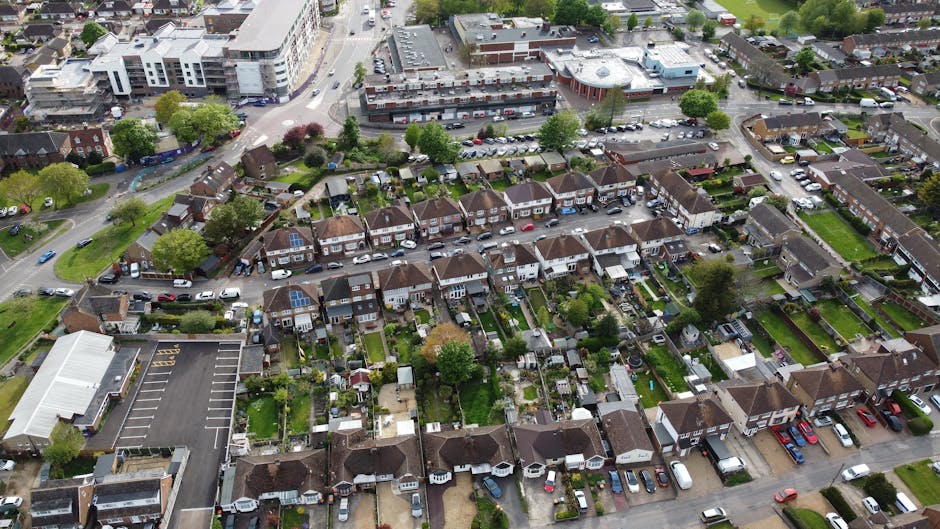
Common gardeners access problems in Dagenham estates and fixes
If you garden in a Dagenham estate, you will know the job is rarely just about soil, shrubs, or mowing stripes. More often, the real headache is simply getting in, getting round, and getting out again without wasting time or causing awkward damage. Common gardeners access problems in Dagenham estates and fixes is a very practical topic because access issues affect every part of the work: punctuality, safety, plant protection, noise, cost, and even whether a job can be done properly at all.
In shared estates, small design details can create big frustrations. A narrow passage, a locked gate, a missing key, a parked car, a long carry from the van, or a slippery courtyard in wet weather can turn a straightforward visit into a messy one. The good news? Most access problems are fixable with a bit of planning, clearer communication, and the right equipment. This guide walks through the common issues, what they mean in real life, and how to sort them without drama. To be fair, half the battle is knowing what to look for before the first tool comes out of the van.
Table of Contents
- Why access problems matter in Dagenham estates
- How estate access challenges usually happen
- Key benefits of fixing access early
- Who this is for and when it makes sense
- Step-by-step guidance for solving access issues
- Expert tips for smoother estate visits
- Common mistakes to avoid
- Tools, resources and recommendations
- Law, compliance, standards, or best practice
- Options, methods, and comparison table
- Case study or real-world example
- Practical checklist
- Conclusion
- Frequently asked questions
Why Common gardeners access problems in Dagenham estates and fixes Matters
Access is not a small admin detail. It shapes how the whole visit goes. In estate gardens, especially where homes are close together or outdoor spaces are shared, gardeners often face gates that are too narrow for mowers, side alleys blocked by bins, uneven paving, or rear access that involves winding through several communal points. If those barriers are not handled well, work slows down fast.
Why does that matter to you? Because slow access usually means more labour time, more carrying, more strain, and a higher chance of something getting chipped, dropped, or dragged across a path. It can also make a tidy garden less likely. If a gardener has to keep improvising around poor access, the quality of the finish can suffer. You might still get the grass cut, sure, but edging, clearing, and waste removal can all become clumsy.
There is also a trust factor. Residents and property managers notice when a team arrives prepared, uses access correctly, and respects shared spaces. That builds confidence. A well-managed visit feels calm and professional; a poorly managed one feels like a rushed scramble at 8:15 on a damp Tuesday morning. Nobody wants that.
Expert takeaway: Most access problems are not actually "garden problems". They are planning problems. Solve the route, the gate, the parking, and the timing first, and the gardening usually follows much more smoothly.
If you are organising regular care rather than one-off work, it can help to review broader service options like garden maintenance and the more general gardening services available on the site, especially when access needs to be considered as part of an ongoing schedule.
How Common gardeners access problems in Dagenham estates and fixes Works
Access problems in Dagenham estates tend to follow a pattern. First comes the approach: can the team stop nearby, unload safely, and reach the garden without blocking anyone? Then comes the entry point: is the gate wide enough, unlocked, and safe to use? After that comes the route through the property: are there steps, bends, wet surfaces, dog barriers, bike storage, children's toys, or communal items in the way?
Once the gardener reaches the working area, another set of issues can appear. There may be no tap access, little space for a wheelbarrow, nowhere to place clippings, or a shared lawn where foot traffic continues around the job. In other words, access is not one single obstacle. It is a chain of smaller ones. Break one link and the whole day changes.
The fixes are usually practical rather than dramatic. Sometimes it is a case of agreeing a gate code in advance. Sometimes it is parking closer to the rear access point. Sometimes it is choosing lightweight tools instead of heavy machinery. For many homes, especially those with limited side access, a compact approach works best. That is one reason container and vertical techniques are so useful; they reduce the need to drag bulky kit everywhere. If you are interested in adapting a space to tighter conditions, the ideas in thriving garden in containers and vertical gardening for urban living are worth a look.
In practice, a good service visit often starts before the team arrives. Photos, a quick note on access, and a realistic sense of the route can save a surprising amount of time. Sounds simple. It is simple. But it is often skipped, and then everyone pays for it later.
Key Benefits and Practical Advantages
Sorting access issues does more than reduce annoyance. It can make the entire garden care process more efficient and more reliable.
- Faster visits: Less time spent carrying equipment or finding a way in means more time on actual gardening.
- Safer working conditions: Clear access reduces trips, slips, awkward lifting, and collisions with walls or parked cars.
- Better finishes: When the team is not battling the route, they can focus on edges, detail work, and waste clearance.
- Lower wear and tear: Mowers, hoses, and tools are less likely to be damaged when access is planned well.
- Less disruption to neighbours: Smooth access helps keep noise, blocked paths, and repeated trips to a minimum.
- More predictable costs: When access is clear, jobs are easier to estimate and less likely to overrun.
There is a quiet benefit too: better access usually makes the garden feel more usable. If you can walk through the space without bumping into clutter, if the side passage is lit and dry, if gates open cleanly, the whole property feels easier to care for. That matters for landlords, residents, and anyone trying to keep a place looking decent all year.
For gardens that are often windy, exposed, or partially shaded, access planning goes hand in hand with planting choices and layout. Some spaces need wind protection, while others need tougher planting or more compact layouts. Pages like wind solutions for gardens and evergreens and climbers for shady corners can help shape a space that is easier to maintain once the access is sorted.
Who This Is For and When It Makes Sense
This topic matters to a few different people, and honestly, they each feel the problem a little differently.
- Homeowners in estates: You may have limited side access, shared paths, or awkward parking that makes every visit a bit of a juggle.
- Landlords and letting agents: You need maintenance that is efficient, respectful, and repeatable across multiple visits.
- Residents' associations or estate managers: You may be responsible for communal rules, access permissions, and avoiding complaints.
- Gardeners and landscapers: You need workable routes, clear instructions, and safe unloading space.
- Older residents or busy families: You may simply want the garden kept neat without having to coordinate a mini logistics operation every time.
It makes sense to think about access issues before a job is booked if the garden has narrow gates, locked communal entrances, shared rear paths, steep steps, or limited parking. It also makes sense when you are planning a bigger change, such as hedge work, lawn renovation, or landscaping. A lot of people focus on the visible part of the garden and forget the route into it. That is the bit that trips them up.
If your outside space has become overgrown or difficult to reach, the advice in starting a neglected garden makeover can be especially useful. And if you are comparing long-term upkeep options, cost-effective gardening strategies may help you plan around access limitations without overspending.
Step-by-Step Guidance
Here is a practical way to tackle common access problems in Dagenham estates without making the process more complicated than it needs to be.
- Map the route before the visit. Walk the path from the street to the garden if you can. Check gates, steps, surfaces, and where equipment can be placed.
- Measure the narrow points. Gate widths, side passages, and corners matter more than most people expect. A mower that fits on paper can still be awkward in real life.
- Confirm entry arrangements early. Who opens the gate? Is there a code? Is someone home? Can access be shared with a neighbour or caretaker if needed?
- Clear the access path. Move bins, bikes, toys, plant pots, and any loose materials that would force repeated stops.
- Plan parking realistically. If a van cannot stop directly outside, decide in advance where it can legally and safely wait while tools are unloaded.
- Choose the right equipment. Compact, cordless, foldable, or lighter tools can make a huge difference in estate work.
- Protect communal areas. Use mats, careful carrying, and tidy loading routines to avoid scuffed paving or muddy footprints.
- Agree waste handling. Find out where cuttings, soil, and green waste can be placed or removed from the site.
- Check for special risks. Dogs, children, wet decking, poor lighting, and loose slabs all change how access should be managed.
- Review and adjust after the first visit. The first job often reveals something the plan missed. That is normal, by the way. No one gets every estate layout perfect from a single description.
If you are dealing with repeat access restrictions, regular garden care can be easier than one-off rescue work. Services such as lawn mowing, lawn care, and hedge trimming in Dagenham often run more smoothly when the access route is planned once and then reused.
Expert Tips for Better Results
Small details make a big difference. Here are the things experienced gardeners tend to notice early.
- Use low-friction access habits: One trip in, one trip out, and avoid constant back-and-forth through the same tight doorway.
- Keep a site note: Write down the gate code, preferred parking spot, and any awkward entry points. The second visit is always easier.
- Work top to bottom where possible: If there are slopes or steps, plan so debris moves downhill safely rather than being dragged up and down twice.
- Choose quiet, compact tools for shared spaces: It helps with neighbour relations, especially in estates where people work from home or have small children nearby.
- Mind the weather: A route that is fine in dry weather can become slippery and awkward after rain. London gets enough of that, let's face it.
- Allow for privacy and visibility: In some estate layouts, hedges, fencing, or screening need to support both access and privacy. The ideas in privacy hedges and fencing can be useful when routes are too exposed.
One simple rule I always like: if the route feels awkward to you in daylight with no tools, it will feel ten times more awkward once you are carrying a mower and a bag of cuttings. Trust that instinct. It usually saves trouble.
For decorative or structured gardens, access and layout often work best together. If you are making changes to paths, edges, or even small sitting areas, the ideas in functionally stylish garden nooks can help you think about flow as well as appearance.
Common Mistakes to Avoid
Most access problems are avoidable, but people keep making the same few mistakes. Happens all the time.
- Assuming "someone will be in": That is not a plan. It is a hope.
- Forgetting to mention locked gates or codes: This one can waste the first 20 minutes of a visit, easily.
- Leaving access paths cluttered: Even a small pile of bins or furniture can turn a quick job into a slow one.
- Using oversized kit by default: Heavy tools are not always the answer in estate settings.
- Ignoring shared space etiquette: Neighbours notice blocked paths, noise, and mud on communal paving.
- Not checking drainage or surface condition: Wet decking, mossy slabs, and soft ground can all become slip hazards.
- Trying to force a shortcut: A shortcut across a lawn or flower bed may look efficient, but it often causes damage and complaints later.
One more thing: do not assume every problem needs a permanent structural change. Sometimes the fix is as small as agreeing a different arrival window or moving a storage box. Simple, yes. But often enough, that is the difference between smooth access and a stressful visit.
Tools, Resources and Recommendations
The right kit does not solve every access problem, but it reduces the hassle a lot. For tighter estate gardens, these are worth thinking about:
- Compact hand tools: Good for borders, corners, and jobs where full-size equipment would be cumbersome.
- Foldable or lightweight transport aids: Useful for moving clippings and tools through narrow spaces.
- Cordless equipment: Reduces the need to trail leads through hallways or across shared areas.
- Protective mats or sheeting: Helps prevent marks on paving, decking, and indoor thresholds when access passes close to living areas.
- Clear labels and site notes: A practical way to keep repeat access instructions in one place.
- Simple pruning and trimming gear: Often enough for estate work where large machinery would be overkill.
For a broader understanding of what a gardening team might need, the article on gardening basics tools for every hobbyist is a helpful companion read. If the garden is overgrown and difficult to reach, begin your gardening journey with practical tips can also help you sort the basics before the access issues snowball.
If your space has broader design or maintenance challenges beyond access, the following pages can be useful background reading: landscaping, patio cleaning, decking services, and tree surgery. Each one can affect the route through a property, the working surface, or the amount of equipment that needs to get in and out.
Law, Compliance, Standards, or Best Practice
Access in estate gardening is not only a convenience issue. It can touch on safety, neighbour relations, tenancy arrangements, and shared-space etiquette. While this article does not give legal advice, a few UK best-practice principles are worth keeping in mind.
First, anyone working on a property should avoid blocking emergency routes, damaging shared surfaces, or creating avoidable trip hazards. Second, if the estate has rules for gates, parking, waste storage, or working hours, those should be respected. Third, if a gardener is using tools, chemicals, ladders, or machinery, safe handling matters. The site's own health and safety policy and insurance and safety information are useful reference points for understanding how a professional service approaches these responsibilities.
There are also practical admin points worth checking before work starts. For example, payment terms, job scope, and complaint handling should be clear. That may sound boring, but boring paperwork often prevents messy misunderstandings later. The pages on terms and conditions, payment and security, complaints procedure, and pricing and quotes help set sensible expectations.
For accessibility-aware planning, it is also useful to consider whether steps, surface changes, or gate widths make the space harder to use for residents, carers, or visitors. If a route is awkward for one person, it is often awkward for everyone. That is not a formal rule, just a very reliable bit of real-world observation.
Options, Methods, or Comparison Table
There is rarely one perfect fix for estate access. Usually you are choosing the most sensible option for the space, the budget, and the frequency of visits. Here is a simple comparison.
| Method | Best for | Pros | Limitations |
|---|---|---|---|
| Pre-arranged access codes and key handling | Gated estates and shared entrances | Fast entry, fewer delays, repeatable visits | Needs clear permission and secure handling |
| Compact or cordless tools | Narrow routes and small courtyards | Easier manoeuvring, less damage risk | May take longer on larger areas |
| Scheduled access windows | Busy estates with parking pressure | Reduces conflict with residents and vehicles | Less flexible if timings change often |
| Shared storage point or equipment drop | Regular maintenance visits | Reduces repeated carrying, saves time | Requires secure space and agreement |
| Layout adjustments such as clearer paths or fencing changes | Long-term problem estates | Permanent improvement, easier upkeep | Higher upfront effort and planning |
In many cases, the best answer is a combination. For example, a narrow shared garden might need a fixed access routine, a lighter set of tools, and a one-time tidy-up of the route. No drama, just sensible layering.
Where the problem is mostly a visual one, such as paths cutting awkwardly through planting or an exposed layout, the article on unique hedge shapes can inspire a more practical balance between access and design.
Case Study or Real-World Example
A typical estate scenario goes like this. A gardener is booked to maintain a rear garden that looks easy enough from the front, but the side access is tight, the gate opens inward, and the bins are stored along the path. On the first visit, the team spends too long moving obstacles, then has to carry clippings back through the same narrow route. The lawn gets mown, but the finishing work is rushed. Everyone feels it was more awkward than it needed to be.
On the next visit, the process changes. The resident leaves the gate unblocked, the route is kept clear the evening before, and the gardener brings compact tools instead of oversized kit. Parking is agreed in advance, and waste bags are placed near the exit point rather than hauled through the garden twice. The job runs quicker, the garden looks neater, and nobody is hovering in the doorway wondering what is taking so long.
That kind of shift sounds modest, but it is exactly how good estate gardening becomes reliable. Not through one clever trick, but through several small fixes that work together.
If the estate garden also has pets or children moving through shared areas, small layout choices matter even more. Two useful companion reads are gardens and joyful dogs and child-friendly gardening tips, because both topics overlap with safe access and clear movement paths.
Practical Checklist
Use this before a visit, especially if the garden is on an estate or has shared access.
- Is the correct gate unlocked, or is the code confirmed?
- Has parking been agreed, or is there a safe stopping point nearby?
- Are bins, bikes, toys, and tools clear of the route?
- Is the pathway wide enough for the planned equipment?
- Are steps, slopes, decking, or wet slabs safe to cross?
- Has the weather made access more slippery or muddy than usual?
- Is there a plan for waste, cuttings, and soil removal?
- Do neighbours or shared users need notice about the visit?
- Are pets secured away from the access route?
- Has any special instruction been written down for the next visit?
Practical tip: If the answer to any of those is "not sure", fix that before the team starts carrying heavy kit. Small delay now, much bigger headache later.
Conclusion
Common gardeners access problems in Dagenham estates and fixes is really about making outdoor care realistic. When access is awkward, the work becomes slower, riskier, and more expensive than it should be. When access is planned well, even a compact estate garden can be maintained cleanly and confidently.
The main lesson is simple: think about the route, not just the garden. Measure the gate, clear the path, confirm the entry point, and choose tools that suit the space. That one habit can save time, reduce stress, and make every future visit easier. Truth be told, it is often the difference between a job that feels chaotic and one that feels well under control.
If you want help planning a garden visit, understanding what service best fits a tight estate layout, or simply getting clearer on the options, explore the site further or reach out when you are ready.
Get a free quote today and see how much you can save.
Frequently Asked Questions
What are the most common access problems for gardeners on Dagenham estates?
The most common ones are narrow gates, locked or shared entrances, poor parking, cluttered paths, wet paving, and limited space for carrying tools or waste. These problems usually show up before the actual gardening even starts.
How do gardeners work around narrow side access?
They often use compact tools, lighter equipment, and a planned route for moving materials. In some cases, they also reduce the number of trips by staging tools and waste in the right place from the beginning.
Can access problems increase the cost of garden work?
Yes, they can. If access slows the job down, adds extra carrying, or requires special equipment, the work may take longer and need more labour. Clear access usually keeps things more predictable.
What should I tell a gardener before they visit my estate garden?
Tell them about gate codes, parking, narrow passages, steps, shared entrances, pets, and any items that block the route. A few honest details upfront can save a lot of faffing about later.
How can I make a shared estate path safer for gardening visits?
Keep it clear of bins, toys, bikes, and loose items. If the path gets slippery, make sure it is cleaned and dry where possible. Good lighting also helps more than people realise.
Do gardeners need permission to use communal estate access points?
Usually, yes, in some form. That permission might be handled by the resident, landlord, managing agent, or estate rules. It is best to confirm access arrangements before the visit.
What equipment works best for tight-access gardens?
Compact hand tools, cordless equipment, smaller mowers, and foldable transport aids tend to work well. The best choice depends on the job, but lightweight kit is often the safest bet in shared spaces.
How do I prevent damage to communal paving or decking?
Use the correct route, carry equipment carefully, avoid dragging items, and clean up mud or debris promptly. If the site has decking or delicate surfaces, plan access more carefully and consider the surface condition after rain.
Is it better to change the garden layout or just improve access routines?
That depends on how often the problem happens. If the issue is occasional, better routines may be enough. If access is a constant frustration, small layout changes such as clearer paths, better storage, or fencing adjustments may be worth considering.
What if the first garden visit reveals an access issue nobody mentioned?
That happens more often than people admit. The sensible move is to pause, note the issue, and update the access plan before the next visit. A good system improves after the first job, not before it.
Are access problems different for maintenance compared with landscaping?
Yes. Routine maintenance can often be done with compact tools and a narrow route, while landscaping may need more space for materials, machinery, and waste removal. Bigger projects usually need more planning around access.
How do I know if a gardener is prepared for estate access challenges?
They will usually ask about gates, parking, obstacles, and site layout before arrival. If they also talk about equipment choice and waste handling, that is a good sign they understand real-world access issues.
If you are sorting a tricky garden, remember this: the access route is part of the job, not an annoying extra. Get that right, and the rest tends to fall into place a bit more calmly.